
Latest Construction Material Trends in Saudi Arabia
Introduction
Saudi Arabia’s construction industry is experiencing unprecedented growth, driven by ambitious developments such as Vision 2030, NEOM, The Red Sea Project, Qiddiya, and numerous infrastructure initiatives across the Kingdom. As the sector evolves, the demand for innovative, sustainable, and high-performance construction materials continues to rise.
From eco-friendly building solutions to advanced steel and concrete technologies, construction companies are increasingly adopting materials that improve efficiency, durability, and environmental sustainability. In this article, we explore the latest construction material trends shaping Saudi Arabia’s rapidly growing construction sector.
1. Sustainable and Green Building Materials
Sustainability has become a key focus in modern construction projects throughout Saudi Arabia. Developers and contractors are increasingly seeking materials that reduce environmental impact while maintaining high performance standards.
Popular sustainable materials include:
- Recycled steel
- Eco-friendly concrete
- Low-carbon cement
- Recycled aggregates
- Sustainable insulation materials
These materials help reduce carbon emissions, improve energy efficiency, and support green building certifications.
2. High-Performance Concrete Solutions
Concrete remains one of the most widely used construction materials in Saudi Arabia. However, modern projects now require enhanced durability and strength to withstand extreme temperatures and demanding environmental conditions.
Current trends include:
- Self-compacting concrete
- Fiber-reinforced concrete
- High-strength concrete
- Ultra-high-performance concrete (UHPC)
These advanced concrete solutions offer improved structural performance, longer service life, and reduced maintenance costs.
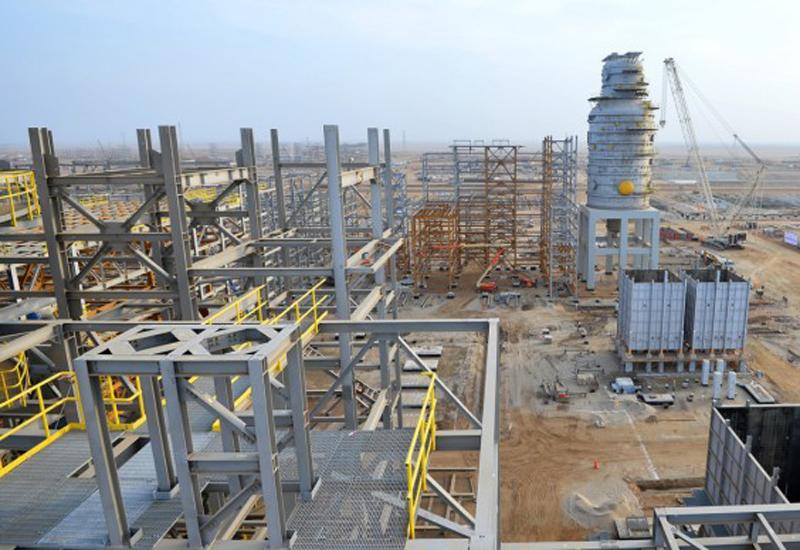
3. Increased Demand for Structural Steel
The rise of large-scale commercial, industrial, and infrastructure projects has significantly increased demand for structural steel throughout Saudi Arabia.
Benefits of structural steel include:
- Faster construction timelines
- High load-bearing capacity
- Design flexibility
- Recyclability and sustainability
- Improved structural integrity
Steel continues to play a critical role in skyscrapers, industrial facilities, warehouses, and transportation infrastructure projects.
4. Smart Building Materials
Smart construction materials are gaining popularity as developers embrace technology-driven building solutions.
Examples include:
- Self-cleaning surfaces
- Smart glass systems
- Energy-efficient insulation
- Thermal control materials
- Sensor-integrated construction products
These materials contribute to enhanced building performance, reduced energy consumption, and improved occupant comfort.
5. Prefabricated and Modular Construction Materials
Prefabrication is becoming increasingly common across Saudi Arabia’s construction sector. Pre-engineered building components help reduce project timelines while maintaining quality standards.
Advantages include:
- Faster project completion
- Reduced labor requirements
- Improved quality control
- Lower material waste
- Cost savings
Modular construction methods are particularly beneficial for large-scale developments and industrial projects.
6. Advanced Insulation Materials
Saudi Arabia’s hot climate makes energy efficiency a priority for residential, commercial, and industrial buildings.
Popular insulation solutions include:
- Polyurethane foam insulation
- Mineral wool insulation
- Reflective insulation systems
- High-performance thermal panels
These materials help maintain indoor comfort while reducing cooling costs and energy consumption.
7. Growth in Waterproofing Solutions
Protecting structures from moisture damage remains a critical concern in construction projects. As a result, advanced waterproofing materials continue to see strong demand.
Trending waterproofing products include:
- Liquid waterproofing membranes
- Bituminous coatings
- Cementitious waterproofing systems
- Polyurethane waterproofing materials
These solutions help extend building lifespan and minimize maintenance requirements.
8. Fire-Resistant Construction Materials
With increasing emphasis on building safety and regulatory compliance, fire-resistant materials are becoming essential across various construction sectors.
Common fire protection materials include:
- Fire-rated boards
- Fire-resistant coatings
- Fireproof insulation systems
- Intumescent paints
These materials enhance building safety and help meet modern construction standards.
How Vision 2030 Is Driving Material Innovation
Saudi Arabia’s Vision 2030 initiative is transforming the country’s construction landscape. Mega-projects require innovative building materials that support sustainability, efficiency, and technological advancement.
As a result, suppliers and contractors are investing in:
- Sustainable construction products
- Smart building technologies
- Energy-efficient materials
- Advanced structural systems
- Environmentally responsible manufacturing processes
This shift is creating new opportunities for construction material suppliers and industry stakeholders across the Kingdom.
Conclusion
Saudi Arabia’s construction industry is rapidly adopting advanced materials that improve sustainability, efficiency, durability, and safety. From high-performance concrete and structural steel to smart building technologies and eco-friendly solutions, these trends are reshaping the future of construction throughout the Kingdom.
At Shamas, we understand the evolving needs of the construction industry and are committed to supplying high-quality construction materials that meet the demands of modern projects. As Saudi Arabia continues its ambitious development journey, choosing the right materials will remain essential for achieving long-term success and sustainable growth.